Random Animals
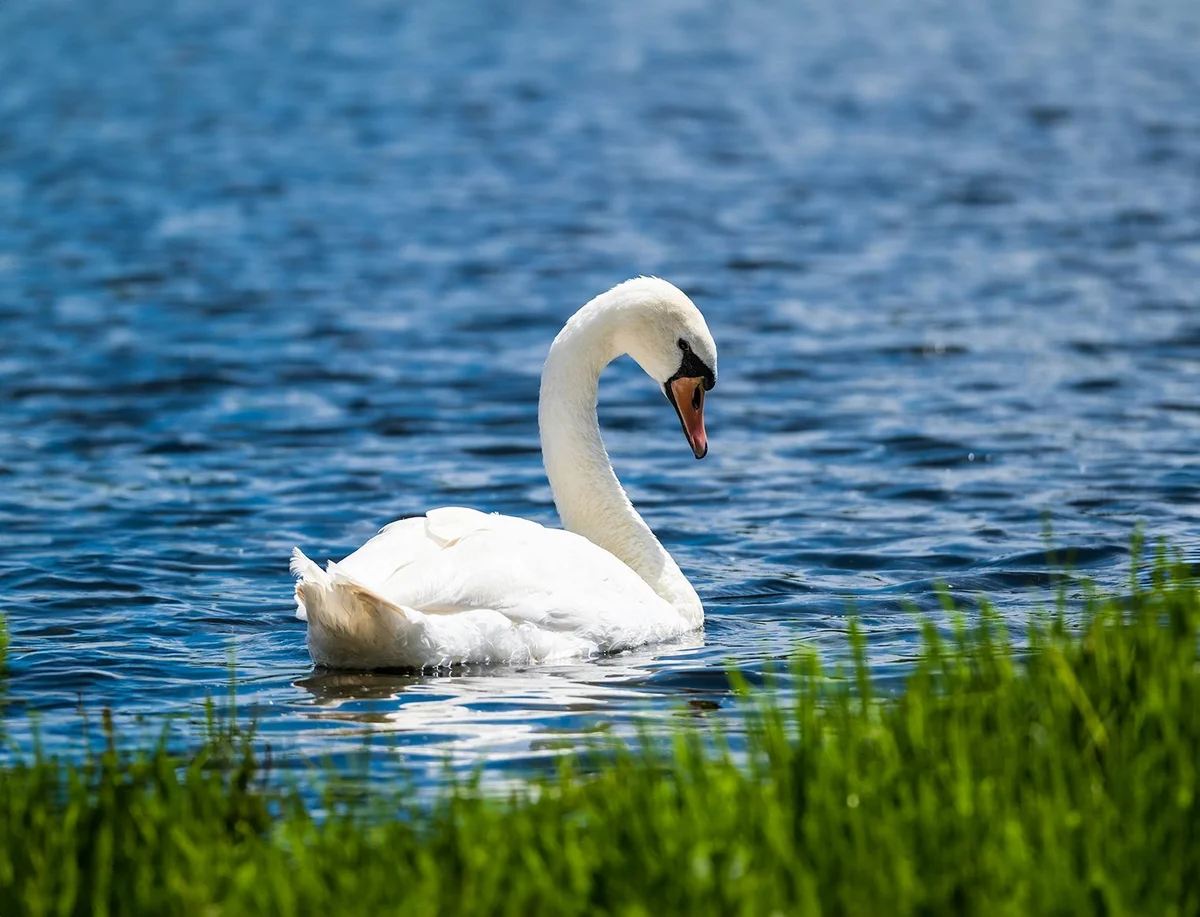
Swan
Swans are large water birds belonging to the family Anatidae (which also includes ducks and geese). They are known for their graceful appearance, long, curved necks, predominantly white plumage (though some species are black), and iconic S-shaped posture. Swans are found in temperate regions worldwide, inhabiting lakes, ponds, rivers, and coastlines. They are herbivores, feeding mainly on aquatic vegetation, grasses, and grains. Swans often form lifelong pair bonds, symbolizing fidelity and love. They glide elegantly on water and are a common feature in picturesque landscapes.
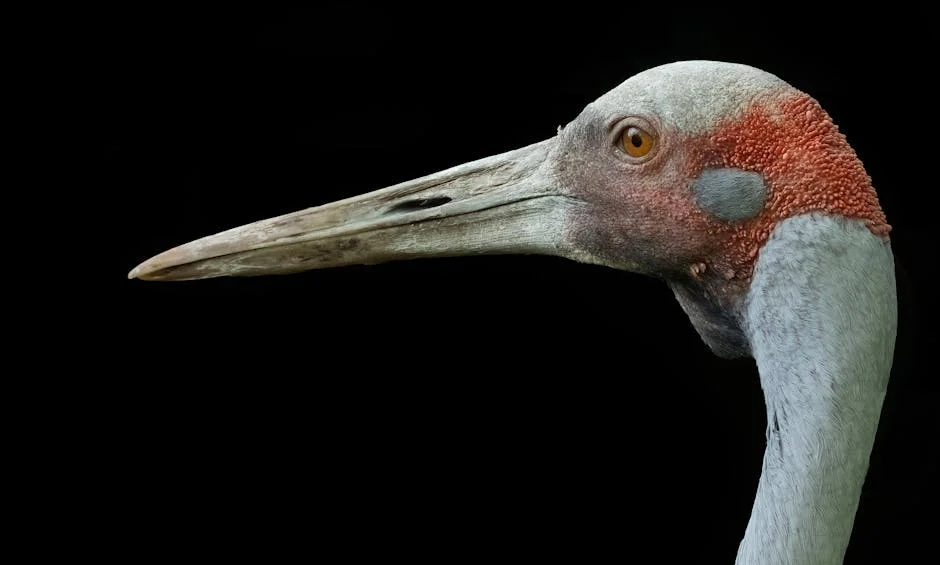
Crane
Cranes are large, elegant wading birds belonging to the family Gruidae. They are characterized by their long legs, long necks, and slender bills, typically covered in grey or white plumage accented with black markings. Cranes are found on most continents (except Antarctica), inhabiting open wetlands, grasslands, and marshes. They are omnivorous, feeding on roots, berries, seeds, insects, amphibians, fish, and small reptiles. Cranes are known for their elaborate courtship dances and monogamous pair bonds, serving as auspicious symbols in many cultures.
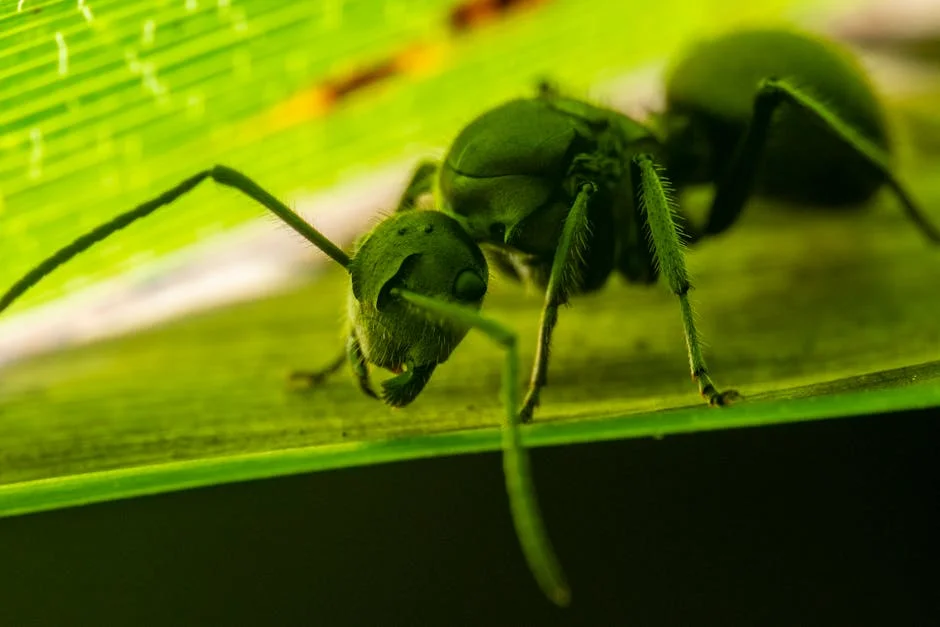
Ant
Ants are social insects belonging to the order Hymenoptera, known for their highly organized and cooperative behavior. Ants typically live in complex colonies, often underground or in mounds, composed of a queen, workers, and males. They are found on virtually all land environments across the globe. Ants are omnivorous with a diverse diet, including insects, seeds, plant juices, carrion, and even human food. They communicate through chemical signals (pheromones) and work together in groups to move and hunt. Ants play significant roles in soil aeration and decomposition within ecosystems.
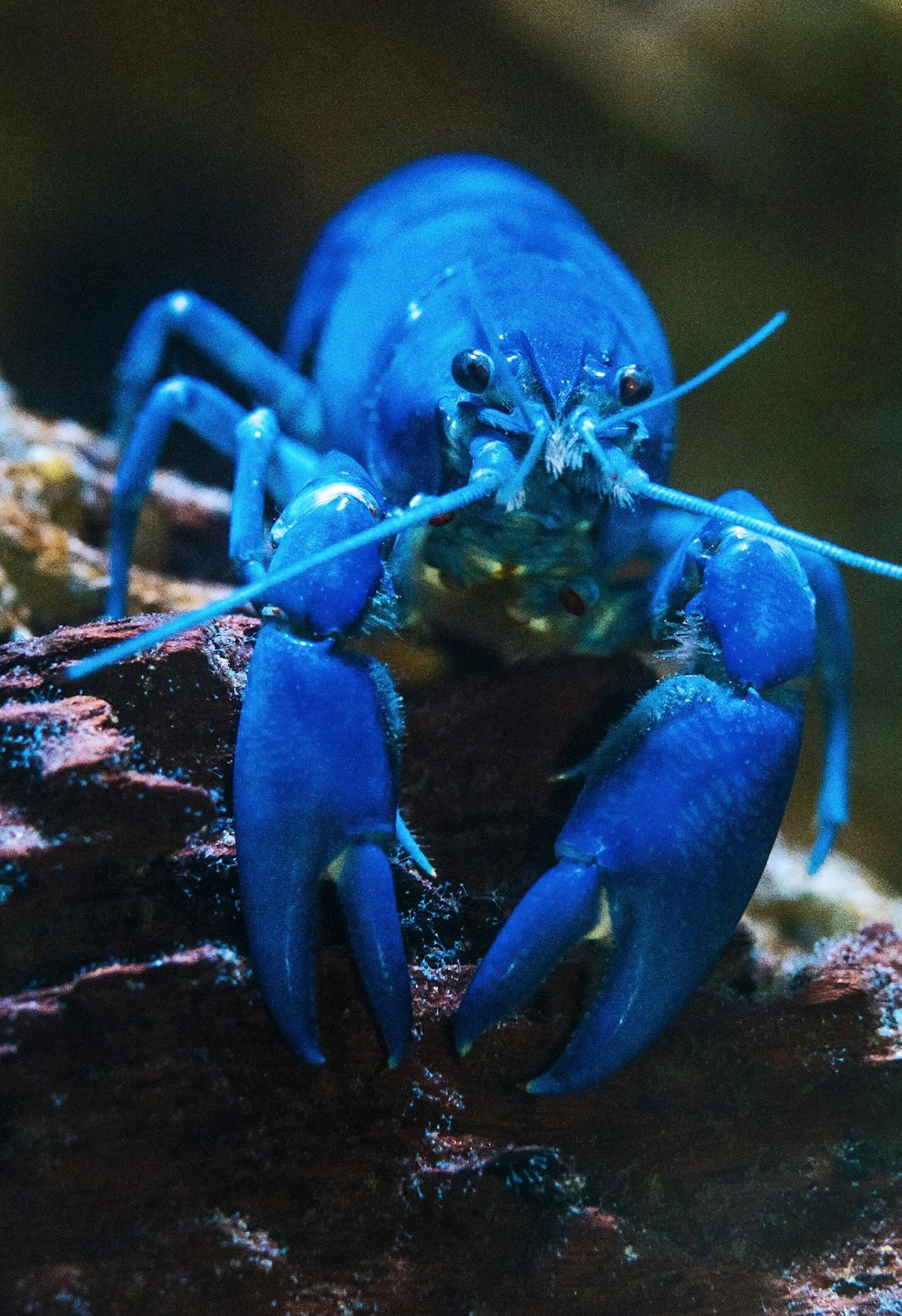
Lobster
Lobsters are large marine crustaceans belonging to the order Decapoda. They are known for their hard exoskeletons, powerful tails, and large claws (used for defense and capturing prey). Lobsters primarily inhabit the seabed in temperate and tropical waters worldwide. They are carnivorous or omnivorous, feeding on fish, shellfish, sea urchins, algae, and carrion. Lobsters grow by molting their exoskeletons. They are an important commercial fishery species and are highly prized for their delicious meat.
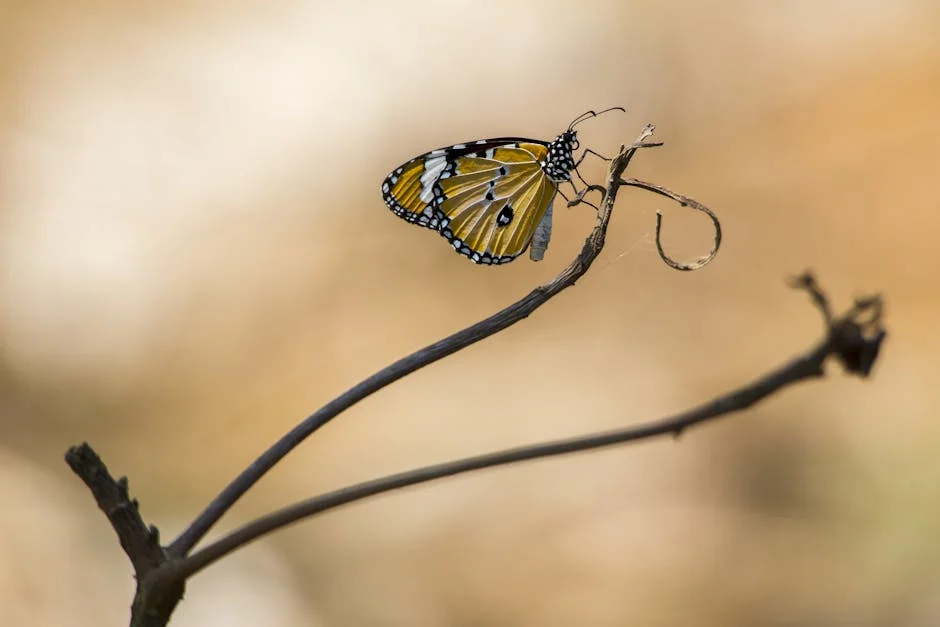
Butterfly
Butterflies are insects belonging to the order Lepidoptera, recognized for the colorful, intricately patterned scales on their wings. Butterflies undergo complete metamorphosis, with four life stages: egg, larva (caterpillar), pupa, and adult. Adult butterflies feed primarily on nectar from flowers, playing a crucial role as pollinators in the process. Butterflies are found worldwide, inhabiting a wide range of environments. They are important pollinators in ecosystems and serve as a food source for many animals.
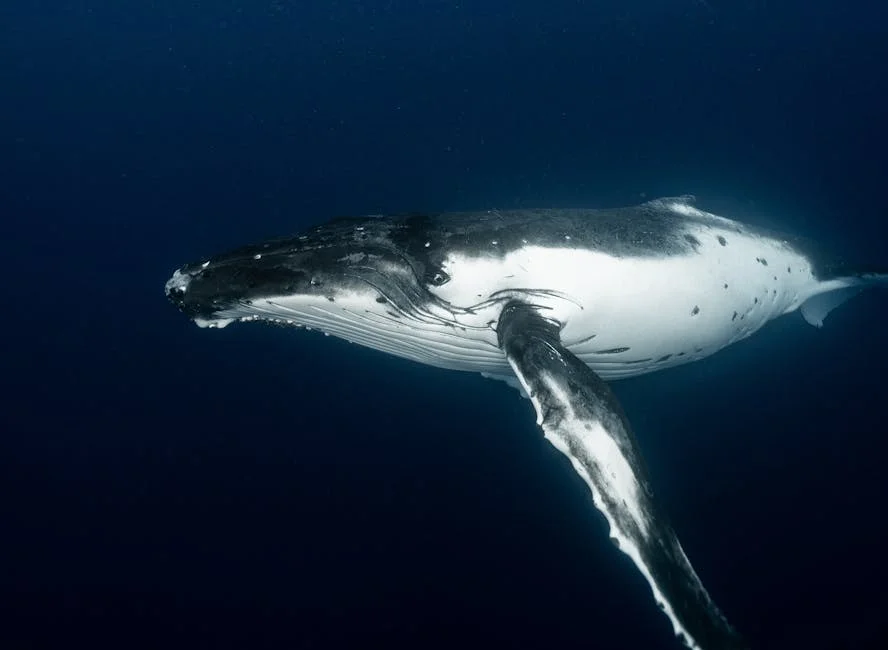
Whale
Whales are large marine mammals belonging to the order Cetacea. They possess streamlined bodies, blowholes located on the top of their heads for breathing, and horizontal tail flukes for propulsion. There is a wide diversity of whales, including baleen whales (e.g., Blue Whale, Humpback Whale) and toothed whales (e.g., Orca, Sperm Whale). Baleen whales filter small fish and plankton from the water using baleen plates; toothed whales hunt larger prey such as fish, squid, or even other marine mammals. Whales are key species in marine ecosystems, with many exhibiting complex social structures and migratory patterns.
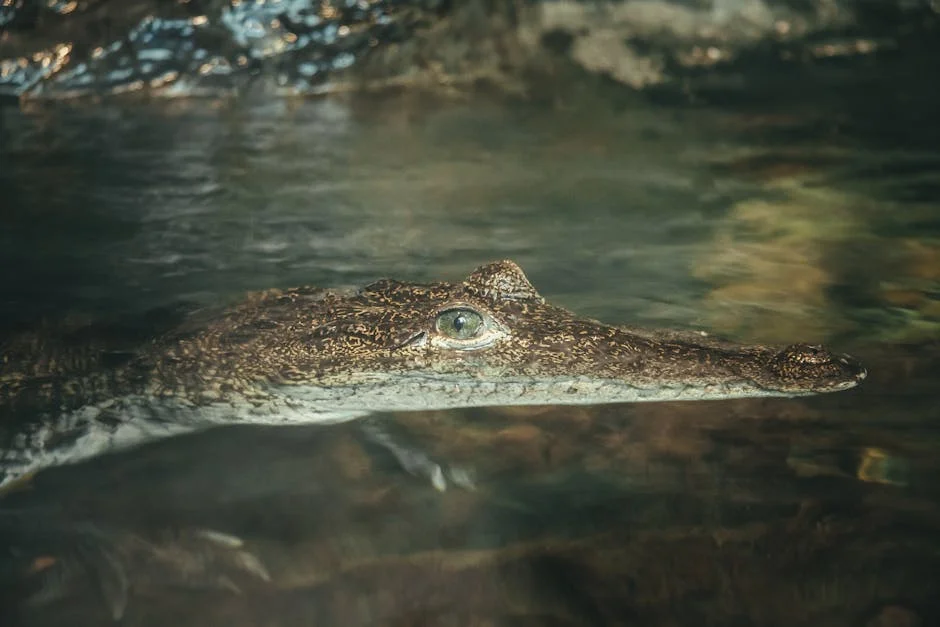
Alligator
Alligators are large reptiles belonging to the order Crocodilia. They are primarily found in the southeastern United States and the Yangtze River basin in China. Alligators have broader, more rounded snouts compared to crocodiles, and when their mouths are closed, most of their lower teeth are hidden within the jaw. They inhabit freshwater swamps, rivers, and lakes. Alligators are carnivores, feeding mainly on fish, reptiles, amphibians, birds, and small mammals. They are powerful swimmers and adept diggers, capable of excavating ponds large enough to hold themselves.
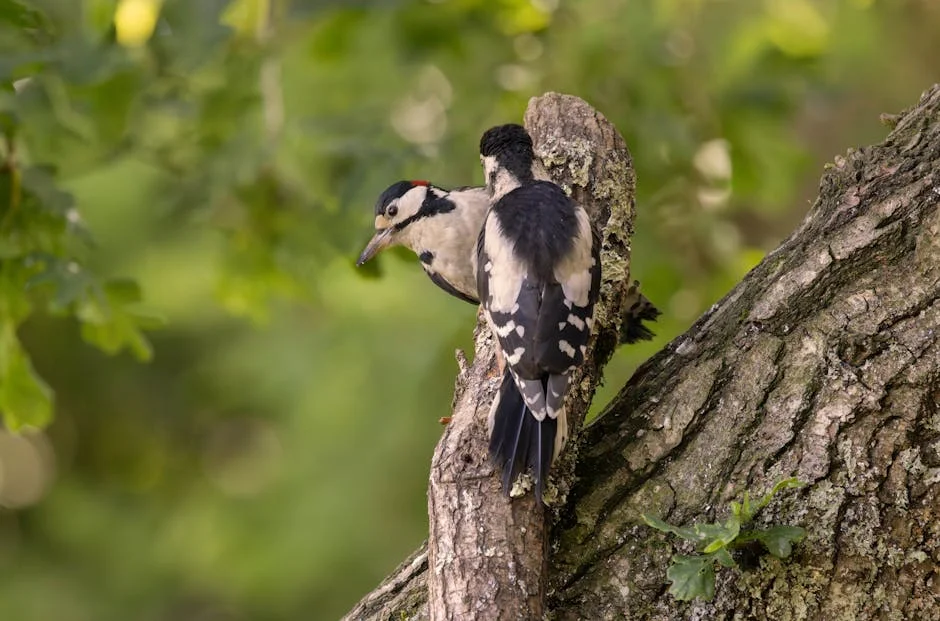
Woodpecker
Woodpeckers are tree-dwelling birds belonging to the family Picidae. They are recognized by their strong beaks (used for drilling into wood), long, sticky tongues (used for extracting insects), and zygodactyl feet (two toes forward, two back) adapted for clinging to tree trunks. Woodpeckers are found worldwide (except Antarctica), inhabiting forests and woodlands. They primarily feed on insects found within trees, but also consume fruits, nuts, and tree sap. Woodpeckers communicate and mark territory through their drumming sounds. They excavate cavities in trees for nesting.